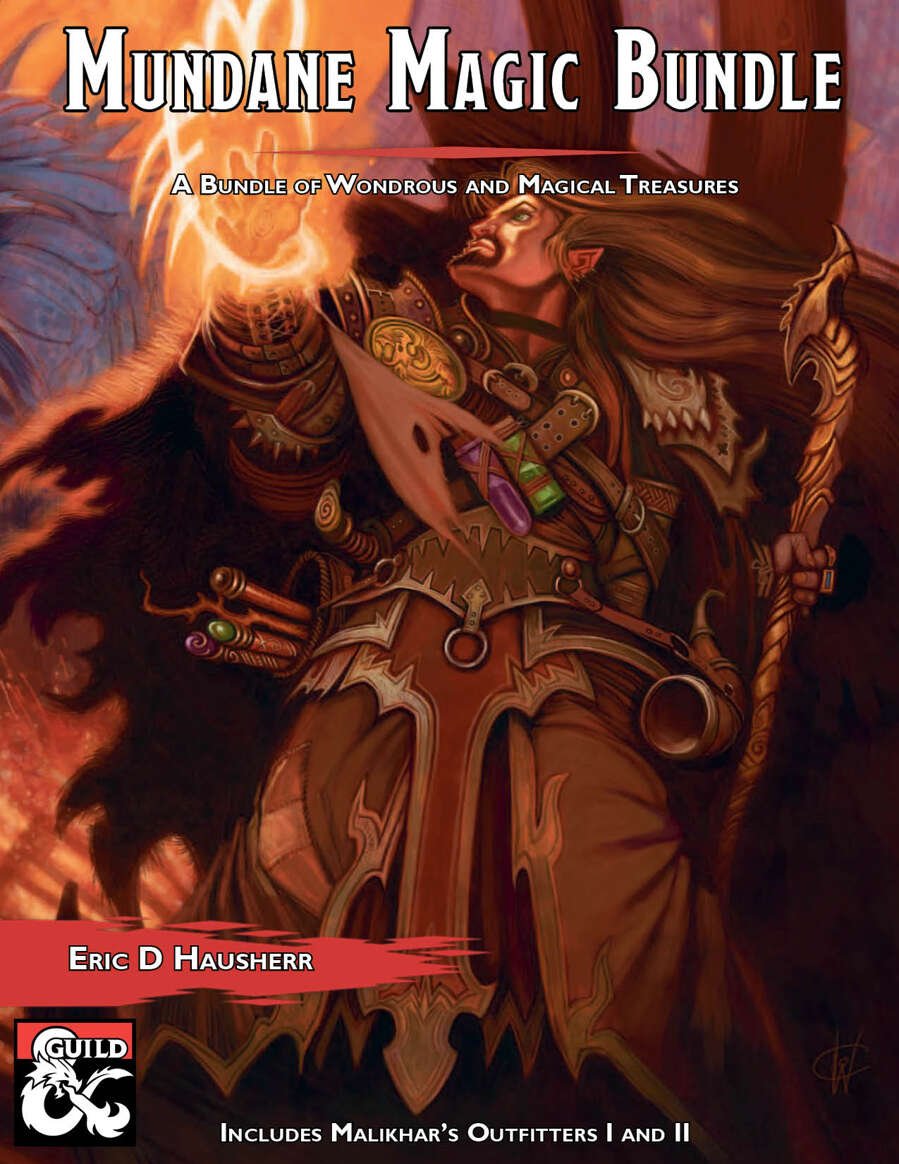
Every adventurer dreams of the haul: the glint of gold, the thrill of a rare magic item, or even the practical utility of well-chosen mundane gear. In Dungeons & Dragons 5th Edition, loot isn't just about accumulating wealth; it's a vital part of character progression, world-building, and the ongoing narrative. Understanding the diverse types of 5e loot—Gold, Mundane, Magic Items & Beyond—is key for both Dungeon Masters looking to enrich their campaigns and players eager to equip their heroes. It’s the tangible reward that transforms a daring exploit into a legendary tale.
At a Glance: Your Looting Essentials
- Gold and Coinage: The universal currency, essential for everyday expenses, training, and more.
- Mundane Items: Everyday goods like tools, supplies, art objects, and trade goods that offer utility, roleplaying hooks, or sellable value.
- Magic Items: The exciting, game-changing gear with supernatural properties, categorized into various types (armor, weapons, potions, rings, etc.) and varying rarities.
- Beyond the Tangible: Loot isn't always physical; it can include information, favors, titles, land, or even the loyalty of an NPC.
- DM's Toolkit: How DMs strategically place and balance loot to enhance the campaign's story and challenge.
- Your Haul's Home: What to do with your loot, from selling to merchants to using it in crafting or upgrading.
The Foundation of Fortune: Gold and Other Currencies
Let's start with the basics. Gold pieces (gp) are the standard measure of wealth in most D&D settings, but they're not the only coin in the realm. You'll often find a mix of copper pieces (cp), silver pieces (sp), and platinum pieces (pp), each with their own relative value.
- Copper Pieces (cp): The smallest denomination. Think of it as pocket change for a loaf of bread or a night in a common room. 10 cp = 1 sp.
- Silver Pieces (sp): More substantial, used for common goods, a decent meal, or hiring unskilled labor. 10 sp = 1 gp.
- Gold Pieces (gp): The workhorse currency. Most item prices in the Player's Handbook are listed in gp, from a healing potion to a suit of plate armor. 10 gp = 1 pp.
- Platinum Pieces (pp): Reserved for truly expensive purchases, significant magical components, or large transactions. These are the "big bucks."
Gold isn't just for buying things; it’s often required for training in new proficiencies, learning new spells, or even paying for resurrection services. The sheer weight of too much coin can also become a practical problem for adventurers, prompting the need for bags of holding or trusted strongboxes back in town.
More Than Just Junk: Mundane Items
Not every find needs to glow with arcane power or shimmer with precious metals. Mundane items, while seemingly ordinary, form the backbone of many adventuring lives. These are the tools, supplies, art objects, and trade goods that can offer immense utility, spark roleplaying, or simply be sold to fund your next adventure.
Think beyond the rusty shortsword dropped by a goblin. Mundane loot encompasses:
- Useful Gear: Torches, rope, climbing kits, shovels, empty sacks, ink and parchment, lanterns, vials, even spare clothes. These might not be exciting, but they can be crucial for solving puzzles, navigating hazards, or simply living day-to-day. A simple crowbar can save an entire party from a locked door!
- Trade Goods: Spices, furs, bolts of cloth, rare woods, or sacks of grain might not have immediate use for a fighter, but they represent significant value in the right market. Transporting these can even become a quest in itself.
- Art Objects & Valuables: Tapestries, statues, paintings, fine jewelry (without magical properties), or masterwork instruments. These items speak to the history and culture of a location and can fetch a handsome price from collectors or wealthy patrons. A finely crafted silver chalice might be worth 25 gp, while a small, ornate music box could fetch 100 gp.
- Information & Documents: While not physical loot in the traditional sense, diaries, maps, letters, or ledgers found among a bandit's stash can be incredibly valuable, leading to new quests, revealing secrets, or exposing villainous plots.
The true value of mundane loot often lies in context. A well-stocked larder might prevent starvation on a long journey, or a disguise kit might grant access to an enemy stronghold. DMs who thoughtfully place mundane items can create richer, more believable worlds where every drawer and chest holds potential, not just arbitrary treasure.
The Allure of the Arcane: Magic Items
This is where D&D loot gets truly exciting. Magic items are infused with mystical energies, granting extraordinary abilities or protections. They range from subtly enchanted trinkets to legendary artifacts capable of shaping destinies. Understanding them involves grasping their rarity, attunement requirements, and diverse categories.
Rarity & Attunement:
- Rarity: Magic items come in six rarity levels: Common, Uncommon, Rare, Very Rare, Legendary, and Artifact. Rarity dictates how often you might encounter an item and generally scales with its power. A Potion of Healing is common; an Orb of Dragonkind is an Artifact.
- Attunement: Many powerful magic items require attunement. This means a character must spend a short rest focusing on the item to unlock its magic. A character can only be attuned to a maximum of three magic items at a time, forcing tough choices about what truly benefits them.
Let's dive into the common types of magic items you might discover:
Magic Armor & Shields
More than just protection, magic armor and shields can grant resistances, enhanced AC, or even unique combat abilities. Imagine shrugging off fireballs with a magically reinforced breastplate or deflecting arrows with a shield that seems to catch them mid-air.
- Examples: Armor of Resistance (resists a damage type), Adamantine Armor (negates critical hits), Glamoured Studded Leather (changes appearance), Shield of Missile Attraction (draws ranged attacks, often with a downside), Shield, +1, +2, or +3 (simply better protection), Spellguard Shield (advantage on saves against spells).
Artifacts
These are the rarest and most powerful magic items, often unique, with deep lore and campaign-defining potential. Artifacts usually have major properties (both beneficial and detrimental) and minor properties that shift and change, making them living parts of the world. They are typically not just loot but plot devices themselves.
- Example: Orb of Dragonkind (grants control over dragons, but might also corrupt the wielder).
General Magic Items
This is a broad category encompassing a vast array of enchanted objects that don't fit neatly into other categories. From items that aid in mobility to those that enhance social interaction or provide utility, these are often the most diverse and creative pieces of loot.
- Examples (a small taste):
- Utility & Exploration: Bag of Holding (a must-have for carrying mountains of loot), Boots of Elvenkind (silent movement), Cloak of Elvenkind (advantage on Stealth), Decanter of Endless Water (infinite water source), Folding Boat (boat in your pocket), Portable Hole (a pocket dimension), Slippers of Spider Climbing (walk on walls and ceilings).
- Combat & Defense (non-armor): Amulet of Health (sets Constitution to 19), Brooch of Shielding (absorbs Magic Missile damage), Gauntlets of Ogre Power (sets Strength to 19), Periapt of Wound Closure (stabilizes you and maximizes healing dice).
- Mental & Social: Hat of Disguise (change your appearance at will), Headband of Intellect (sets Intelligence to 19), Helm of Telepathy (read minds), Medallion of Thoughts (detect thoughts).
- Wondrous Devices: Bag of Tricks (conjures animals), Carpet of Flying (a personal magic carpet), Cube of Force (creates an impenetrable barrier), Deck of Many Things (a notorious item with dramatic consequences).
Potions
Potions are consumable magic items, typically used for a single powerful effect. They're often found in vials and can be a lifesaver or a potent tactical advantage. While many grant beneficial effects, some can be quite dangerous.
- Examples: Potion of Healing (restores hit points – a staple!), Potion of Giant Strength (temporarily increases Strength), Potion of Invisibility (turns you unseen), Potion of Flying (grants flight), Potion of Poison (a nasty surprise for the unwary).
Rings
Rings are iconic magic items, often providing passive benefits or activated abilities. Since they are worn on the fingers, they don't typically interfere with other armor or clothing, making them popular choices for adventurers.
- Examples: Ring of Protection (bonus to AC and saving throws), Ring of Evasion (helps avoid area effects), Ring of Spell Storing (holds spells for later use), Ring of Invisibility (turn invisible), Ring of Free Action (immune to certain movement restrictions).
Rods
Rods are usually held and used to channel magical energy, often for offensive or utility effects. They are less common than wands or staves but can be incredibly potent.
- Examples: Immovable Rod (stays in place regardless of force), Rod of Lordly Might (versatile weapon with multiple magical effects), Rod of Security (creates a haven).
Scrolls
A spell scroll contains a single spell that can be cast by someone who understands its magic. They are one-time-use items, but they can provide access to powerful spells that a character might not otherwise know or have prepared.
- Example: Spell Scroll (any spell, from Fireball to Wish).
Staves
Staves are typically wielded by spellcasters, often containing multiple spell charges or granting bonuses to spellcasting. They are sturdy, often made of wood, and can be used as quarterstaves in a pinch.
- Examples: Staff of Fire (casts fire-related spells), Staff of Healing (casts healing spells), Staff of the Magi (a legendary staff with immense power for arcane casters), Staff of Power (powerful offensive and defensive magic).
Wands
Similar to staves, wands are spellcasting implements, but often smaller and focused on fewer, more specific types of magic. They usually have a limited number of charges that replenish over time.
- Examples: Wand of Fireballs (hurls fireballs), Wand of Magic Missiles (casts the iconic spell), Wand of Paralysis (paralyzes foes), Wand of the War Mage, +1, +2, or +3 (bonus to spell attack rolls).
Magic Weapons
The bread and butter of many martial characters, magic weapons can grant bonuses to attack and damage rolls, deal extra damage types, or have unique properties like glowing, talking, or even devouring souls.
- Examples: Weapon, +1, +2, or +3 (basic enchantment), Flame Tongue (bursts into flame), Frost Brand (deals cold damage, provides fire resistance), Holy Avenger (powerful against evil), Vorpal Sword (can instantly decapitate foes), Dragon Slayer (extra damage to dragons).
Magic items are truly the spice of life for many D&D campaigns, providing exciting rewards and shaping character builds. If you're looking for inspiration or just want to see the sheer variety available, check out Our 5e loot generator to explore a trove of possibilities for your next session.
Beyond the Basics: Unique and Story-Driven Loot
Loot isn't always about what you can stick in your bag or wield in combat. Sometimes, the most valuable treasures are intangible or serve a specific narrative purpose. This "beyond" category is where DMs can truly shine, tying rewards directly into the campaign's plot and character development.
Consider these forms of non-traditional loot:
- Information: A whispered secret from a grateful NPC, a coded message in an enemy's journal, or knowledge gleaned from a forgotten tome. Information can unlock new quests, expose weaknesses, or provide leverage in political intrigue.
- Favors: A powerful guild master owes you one. A local lord grants you a boon. A notorious thief promises their aid in the future. These can be more valuable than gold, opening doors that money cannot.
- Land & Titles: Perhaps a grateful monarch grants you a small tract of land, a ruined keep, or a noble title. This kind of reward can radically shift a campaign, introducing new responsibilities, political challenges, and opportunities for long-term play.
- Unique Components: A rare dragon scale, a vial of demon blood, or a feather from a celestial being might not have immediate combat utility but could be essential for a powerful ritual, the crafting of a legendary item, or a critical quest objective.
- Reputation & Renown: Success brings recognition. Your party might become renowned heroes, attracting followers, gaining access to exclusive organizations, or striking fear into the hearts of their enemies. This isn't currency, but it's a powerful resource.
- Followers & Allies: Rescuing a prisoner might earn you a loyal henchman. Defeating a monster might lead its former thralls to pledge fealty. A talented artisan might offer their services after you clear their workshop of pests.
- Plot Devices: Sometimes an item is just that—a key to unlock the next chapter. It might be a cryptic map piece, a sealed prophecy, or a relic that must be brought to a specific location. Its value isn't in its sale price but in its narrative necessity.
DMs who cleverly integrate these forms of loot make their worlds feel alive and responsive to player actions. It transforms treasure hunting from a simple inventory management game into a deeper, more engaging narrative experience.
The Art of Distribution: How DMs Handle Loot
For Dungeon Masters, managing loot is a delicate balance. Too much, and players become overpowered and bored. Too little, and they might feel unrewarded or unprepared for future challenges. The "how" of loot distribution is just as important as the "what."
- Hand-Placing vs. Random Generation:
- Hand-Placing: The DM carefully selects each piece of loot to fit the narrative, monster, and party's needs. This allows for tailored rewards that advance the story or address specific character gaps. It feels intentional and meaningful.
- Random Generation: Using loot tables (like those in the Dungeon Master's Guide) can create unexpected and exciting finds. It adds an element of surprise and can inspire new story hooks based on unusual items. Many DMs use a blend, scattering some random finds alongside carefully curated treasures.
- Balancing for Party Level and Campaign Style:
- Level Appropriateness: Low-level parties should find common and uncommon items, gradually advancing to rare and very rare as they gain experience. Legendary items are usually reserved for high-tier play.
- Campaign Tone: A gritty, low-magic campaign might feature more gold and mundane items, with magic being truly rare and impactful. A high-fantasy, epic campaign might have magic items flowing more freely.
- Character Needs: A good DM considers the party composition. A spellcaster might appreciate a Staff of Fire, while a rogue would love a Cloak of Elvenkind. Loot that benefits various party members keeps everyone engaged.
- Common Pitfalls to Avoid:
- The "Magic Mart": Overly generous loot can turn a campaign into a shopping spree rather than an adventure.
- "Rocks Fall, You Get Gold": Loot that feels completely disconnected from the enemies or environment can break immersion. Why would a pack of dire wolves have a Wand of Fireballs?
- The "Forever Broke" Party: A lack of meaningful rewards can lead to player frustration and a feeling that their efforts are pointless.
- The "Useless Trinket" Trap: While mundane items are great, a chest full of nothing but rusted spoons and moldy bread after a tough fight can be a letdown.
Thoughtful loot distribution enhances immersion, motivates players, and provides tangible milestones in their adventuring careers.
Selling Your Spoils: What to Do with Your Haul
Once you've braved the dungeon, vanquished the foe, and secured your treasure, what's next? For many adventurers, it's time to convert their hard-won loot into something more universally useful: gold! But selling isn't always straightforward.
- Merchant Types:
- General Stores: Good for common mundane items, basic supplies, and everyday goods. They rarely have the funds or knowledge for truly valuable or magical items. You might get 1/4 or 1/2 of an item's listed value.
- Specialty Shops: Alchemists, jewelers, armorers, weapon smiths, and antique dealers are better suited for specific types of mundane items or less powerful magic items. They'll pay more, but still likely less than full value.
- Fences & Black Markets: For stolen goods, illegal magic, or ethically dubious finds, a fence is your best bet. Be wary, though, as these transactions often come with risks and reduced prices.
- Magic Item Dealers (Rare): These are hard to find and often secretive. They deal in powerful magic, understand its value, and might pay a fairer price, but they also have very specific inventories and clients.
- Patrons & Collectors: For unique art objects, rare books, or historical artifacts, finding a wealthy individual who specifically desires your item can yield the best price.
- Negotiation and Market Value: The Dungeon Master's Guide provides guidelines for selling magic items, often suggesting a price between half and full value, depending on rarity and local demand. Negotiation skills (using Charisma (Persuasion) checks) can play a big role in getting a better deal. A thriving metropolis will offer better prices and a wider array of buyers than a remote village.
- Crafting & Upgrading: Sometimes, the best use of an item isn't to sell it, but to use it as a component.
- Magic Item Crafting: Some DMs allow players to craft their own magic items, using rare materials and considerable downtime. Mundane items might serve as the base, while other magic items could be harvested for their enchantments.
- Upgrades: Perhaps you find a rare gem that can be set into your existing sword, enhancing its properties, or a magical hide that can reinforce your armor. This provides a tangible link between your loot and your character's progression.
Smart adventurers don't just find loot; they leverage it. Whether it's selling, crafting, or simply utilizing it for its intended purpose, understanding the ecosystem of treasure is a valuable skill in any campaign.
Frequently Asked Questions About 5e Loot
Q: How much gold should a party have at a certain level?
A: There's no single perfect answer, as it depends heavily on the campaign. The Dungeon Master's Guide provides wealth guidelines by level, but many DMs adjust this. Generally, low-level parties have basic gear and limited funds, while high-level parties can afford more luxuries and powerful services. Focus on what feels right for your campaign's economy and challenge level.
Q: Can mundane items be enchanted to become magic items?
A: Yes! This is a common way DMs introduce new magic items. A masterwork mundane sword could be enchanted into a +1 Weapon, or a regular cloak could become a Cloak of Protection through a quest or ritual.
Q: What's the difference between a magic item and a wondrous item?
A: "Wondrous item" is a sub-category within the broader "magic item" umbrella in 5e. It refers to a magic item that isn't armor, a weapon, a potion, a ring, a rod, a scroll, a staff, or a wand. Think of it as the "miscellaneous" category for all sorts of unique enchanted objects, like a Bag of Holding or a Carpet of Flying.
Q: Are there cursed magic items?
A: Absolutely! The Dungeon Master's Guide includes rules for cursed items that appear beneficial but carry a detrimental effect, often revealed only after attunement. Armor of Vulnerability (making you vulnerable to certain damage types) is a classic example. Curses add a layer of danger and moral choice to loot.
Q: How do I identify a magic item?
A: Typically, a character must spend a short rest holding the item and concentrating on it, or they can cast the Detect Magic or Identify spells. Identify reveals all of an item's properties and whether it requires attunement, while a short rest reveals properties but not necessarily curses.
Making Every Find an Adventure: Your Looting Philosophy
Loot in D&D 5th Edition is far more than just numbers on a character sheet. It's the tangible reward of daring deeds, the catalyst for new stories, and a crucial element in expressing character growth and power. From a handful of copper pieces to a legendary Vorpal Sword, every discovery has the potential to alter the course of an adventure.
As a player, approach each piece of loot with curiosity. Consider its history, its potential, and how it fits into your character's story. As a Dungeon Master, wield loot as a powerful storytelling tool. Use it to reward ingenuity, introduce new challenges, and deepen the lore of your world. When handled thoughtfully, every bit of treasure, mundane or magical, can elevate your D&D experience from a simple game to a truly unforgettable epic.