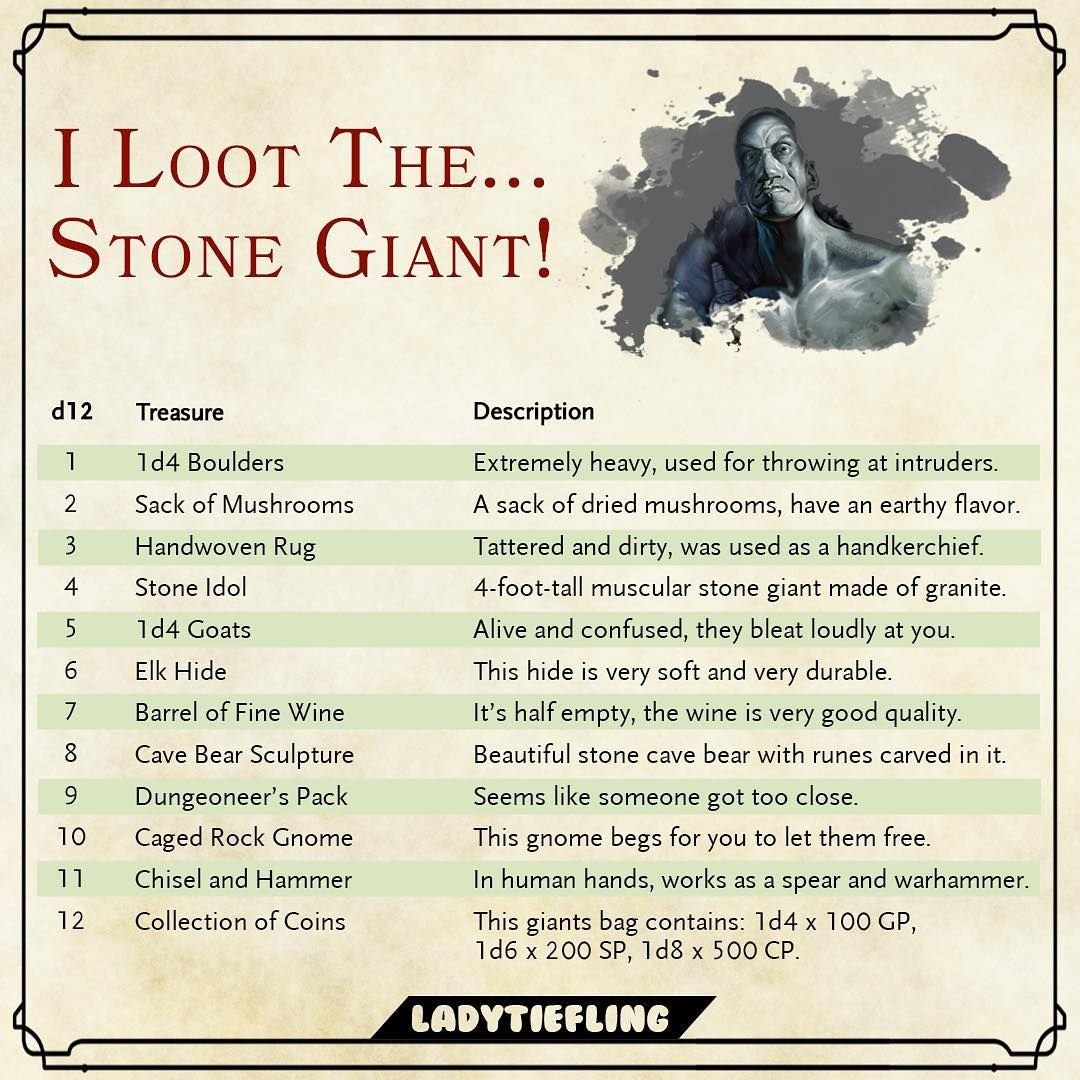
The clatter of dice, the triumphant shout as a powerful foe falls, and then… the moment of truth. What treasure awaits? For many Dungeon Masters, the default 5th Edition (5e) loot tables, while serviceable, often feel like a generic vending machine delivering pre-packaged rewards. But what if your party's hard-won spoils felt uniquely theirs? What if every gem, every scroll, every glint of steel resonated with your campaign's narrative and your players' specific aspirations? This is the heart of Designing Custom 5e Loot Tables & Generator Rules – moving beyond the mundane to craft treasures that elevate your story and immerse your players like never before.
This isn't about ditching the official rules entirely; it's about mastering them, then bending them to your will. We’re going to dive into how to construct loot that doesn’t just fill inventory slots, but enriches character arcs, drives plot forward, and makes every discovery a memorable event.
At a Glance: Crafting Your Custom Loot Kingdom
- Go Beyond Generic: Tailor rewards to your campaign's lore, specific encounters, and individual player characters.
- Balance Mundane & Magical: Don't neglect the power of non-magical, useful items and unique currency.
- Narrative First: Every item should tell a story or serve a purpose beyond mere stat buffs.
- Context is King: Design loot based on who had it, where it was found, and why it's there.
- Embrace Probability (Your Way): Use dice rolls (d100, d20) to introduce an element of chance, but within your curated tables.
- Generator Rules for Efficiency: Create logical frameworks to quickly produce loot without sacrificing bespoke flavor.
Why Go Custom? The Allure of Personalized Loot
Let's be honest, the standard treasure tables in the Dungeon Master's Guide are fantastic for quick prep. They're balanced, broad, and cover a wide range of adventuring scenarios. Tools like the popular D&D Loot Generator from MinvaRPG or Mythical.ink's D&D 5E Loot Table Generator build upon these foundations, offering quick solutions for generating everything from individual monster coin purses to sprawling dragon hoards.
But "generic" doesn't often translate to "memorable." When every bandit leader carries the same 3d6 gp and a slightly tarnished dagger, or every ancient crypt yields a +1 longsword and a potion of healing, players start to anticipate. Custom loot, however, offers a powerful antidote to this predictability.
It connects directly to your world. Imagine finding a Silvered Dagger of the Star-Crossed Lovers in a necromancer's lair, with etchings depicting a tragic tale relevant to your campaign's history, instead of just a generic +1 dagger. This makes the item a piece of the world, not just a game mechanic.
It speaks to your players. Does your rogue specialize in poisons? A custom table for alchemical reagents found in an assassin's guild hideout will feel far more exciting than another healing potion. Does your cleric yearn to uncover forgotten religious artifacts? A custom-designed holy symbol, even if non-magical, might hold profound personal value.
It enhances narrative stakes. Loot can be a plot hook. A cursed item, a piece of a map, a rare ingredient for an important ritual – these aren't just rewards; they're catalysts for further adventure. By crafting unique quests around specific treasures, you elevate their importance beyond their statistical value.
Understanding the 5e Treasure Landscape: A Quick Refresher
Before we break the rules, it's essential to know them. The DMG distinguishes between two primary types of treasure acquisition:
- Individual Treasure: Small caches found on individual monsters or in minor caches. These generally scale with the creature's challenge rating (CR) and primarily consist of coin, sometimes with minor valuables. Think of the few gold pieces a goblin carries, or the simple gems found in a gnoll's pocket.
- Treasure Hoard: Larger stashes often guarded by significant threats, representing a boss's accumulated wealth, a dragon's hoard, or a secured vault. These scale significantly with CR and can include a mix of coins, gems, art objects, and, crucially, magic items.
The key distinction is rarity versus CR. Individual treasures often consider rarity (of the creature or item), while hoards are heavily weighted by the overall challenge rating of the encounter guarding them. This framework is your starting point, giving you an idea of the volume and power level of items appropriate for different scenarios. Our goal isn't to disregard this balance but to populate these categories with items that are contextually rich and bespoke.
Pillars of Great Loot Design: Principles to Build On
Exceptional loot doesn't just happen; it's designed with purpose. Here are the core principles to guide your custom loot creation:
Narrative Resonance: Loot Tells a Story
Every item, from a common silver piece to a legendary artifact, should ideally have a whisper of a story behind it.
- Origin: Who made it? Where did it come from? What was its journey?
- Purpose: What was it used for before it ended up here?
- Current State: Is it pristine, battle-scarred, or imbued with dark magic?
This doesn't mean every mundane item needs a paragraph of lore, but even a simple description like "a tattered map showing a half-forgotten trade route through the Whisperwind Mountains" is more engaging than "a map."
Player Agency & Interest: Rewards for Your Group
Good loot considers the players at your table. What are their characters' backstories? Their combat styles? Their role-playing aspirations?
- Specific Needs: Does the fighter need a new weapon? Is the wizard searching for a particular spell scroll?
- Personal Quests: Can loot provide clues or tools for a character's personal journey?
- Unexpected Utility: Give them something they didn't know they needed, but perfectly suits their playstyle. Perhaps a unique grappling hook for the rogue, or a tome on ancient dwarven history for the lore-hungry scholar.
Campaign Impact: Loot That Changes the Game
The best loot isn't just a static bonus; it actively shapes the campaign.
- Plot Hooks: A piece of a shattered artifact, a cryptic letter, or a key to a locked facility.
- World-Changing Potential: An item that could sway political power, awaken an ancient evil, or save a kingdom.
- Moral Dilemmas: A powerful, cursed item; a rare potion that could save a life but at a great personal cost.
Economic Balance: Not Breaking the Bank (or the Game)
While exciting, custom loot still needs to fit within the broader economic ecosystem of 5e. Overly generous gold drops or too many powerful magic items too early can trivialise challenges and make future rewards feel less impactful. Understanding the intended wealth progression in 5e is crucial for understanding the 5e economy and keeping your campaign on track.
- Gold Sinks: Give players reasons to spend money (property, training, unique services).
- Magic Item Scarcity: Determine how common or rare magic is in your world and stick to it.
- Consumables Over Permanents: Often, a well-placed potion of greater healing or a rare spell scroll is more impactful and less game-breaking than another permanent +1 item.
Variety & Surprise: Beyond Gold and Magic Swords
Even custom loot can become predictable if it's always just gold, gems, and combat-focused magic items.
- Mundane Tools: Masterwork tools, unique components for crafting, rare reagents.
- Information: Maps, journals, deciphered codes, prophecies.
- Social Capital: Invitations, noble seals, evidence of a crime.
- Thematically Appropriate Items: Think about the creature or location. A necromancer might have embalming tools, a druid might have rare seeds, a merchant might have bills of lading.
Crafting Your Custom Loot Tables: A Step-by-Step Guide
Ready to get your hands dirty? Here's a systematic approach to designing loot tables that feel utterly unique to your campaign.
Step 1: Define Your Campaign's Rarity & Economy
Before you list items, set the stage. How common are magic items in your world? Is gold abundant or scarce? Are precious metals common currency, or do people barter primarily with goods?
- Magic Level: Low (magic is rare, powerful artifacts are legendary), Medium (magic items are uncommon but available), High (magic is woven into daily life, powerful items are still respected). This informs how many magic items appear on your tables.
- Resource Scarcity: Are specific ores, herbs, or monster components rare and valuable? This opens doors for crafting and unique trading opportunities.
- Currency Customization: Instead of just "gold," maybe your dwarves use "deep-silver coins" and your elves use "sun-spun leaves." Give currency flavor!
Step 2: Identify Loot Contexts (Who/Where/Why)
Generic tables ignore context. Custom tables thrive on it. Think about the specific situations where loot will be found.
- Creature-Specific (Individual Treasure):
- Goblins: Not just gold, but perhaps stolen trinkets (a child's toy, a bent spoon), crude maps, or fermented mushroom wine.
- Dragons: Beyond mountains of gold, consider unique scales, ancient tomes, the petrified remains of failed adventurers with their own unique gear, or a single, perfect dragon's tooth.
- Liches: Dust-covered spellbooks, phylactery components, soul gems, unsettling talismans, or even notes on failed experiments.
- Location-Specific (Treasure Hoard):
- Ancient Tomb: Mummified offerings, hieroglyphic tablets, cursed relics, entombed guardians' gear.
- Bustling Market Stall: Not a hoard, but a "table" for unique trade goods, exotic spices, masterwork tools, or even smuggled goods.
- Celestial Vault: Ethereal gems, stardust vials, divine scrolls, celestial feathers, fragments of forgotten stars.
- Quest-Specific Rewards: Sometimes, loot isn't random; it's the specific goal. A powerful magical artifact required to defeat the BBEG, a unique component needed for a ritual, or the lost crown of a deposed monarch.
Step 3: Determine Reward Tiers & Probability
Now, blend your custom ideas with 5e's structure. You'll still want to align loot with the party's level or the encounter's CR.
- CR-Based Tiers:
- Tier 1 (CR 1-4): Mostly coin, minor valuables, common consumables, perhaps an uncommon magic item.
- Tier 2 (CR 5-10): More significant coin, art objects, rare consumables, uncommon/rare magic items.
- Tier 3 (CR 11-16): Large hoards, very rare magic items, plot-significant artifacts.
- Tier 4 (CR 17+): Legendary items, vast wealth, game-changing artifacts.
- Probability: Use dice rolls to add an element of chance to your curated lists.
- Roll d100:
- 1-50: Mundane items (coins, gems, consumables)
- 51-75: Minor magic item (uncommon)
- 76-90: Significant magic item (rare)
- 91-99: Major magic item (very rare)
- 100: Legendary item or unique artifact.
- You can then create sub-tables for each category (e.g., if "Minor Magic Item," roll d20 on "Goblin Shaman Trinkets" table).
Step 4: Populate Your Tables (The Fun Part!)
This is where your creativity truly shines. For each context and tier, brainstorm specific items.
Mundane Items: The Backbone of Any Good Hoard
Don't underestimate the power of well-described mundane items.
- Coinage: "14 well-worn electrum pieces from the Sunken Kingdom," "a pouch of assorted copper, silver, and a single, surprisingly heavy golden slug."
- Gems & Art Objects: "A flawless emerald carved into the shape of a crying eye," "a small, intricately carved wooden bird that hums softly when near water," "a silver chalice etched with the crest of a forgotten house, slightly dented."
- Consumables: "A vial of shimmering liquid, tastes faintly of ozone, perhaps a potion of lightning breath?" "a scroll case containing a recipe for a potent sleeping draught," "a bag of dried, glowing mushrooms that pulse with faint bioluminescence."
- Useful Tools & Components: "A masterwork set of lockpicks with tiny bird effigies," "a strange, oversized key made of black iron, too large for any normal lock," "a collection of rare demon ichor vials for alchemical experiments."
Magic Items: Beyond the DMG
This is where you integrate harnessing 5e magic items from official sources with your own creations.
- Reskinning: Take an existing magic item and give it a new name, description, and perhaps a minor flavor ability. A Belt of Hill Giant Strength could become "The Ogre Chieftain's Girdle," made of thick hide and bones, giving advantage on intimidation checks against humanoids while worn.
- Homebrew: Create entirely new items. Start with a core concept:
- Thematically Aligned: A Wand of Shifting Sands found in a desert tomb (control sand, create illusions of mirages).
- Player-Focused: A Covenant of the Sentinel for your party's paladin, granting a minor buff when protecting an ally.
- Plot-Driving: The Orb of Whispering Shadows, a cursed item that slowly reveals secrets about the BBEG but also drains the user's vitality.
- Minor Magic & "Junk" Magic: Not every magic item needs to be combat-effective. A Candle of Everlasting Light that always glows with a soft, warm flame, or a Ring of Vague Directions that always points to "somewhere interesting." These add flavor and wonder without breaking the game.
- Integrate Lore: Ensure the items' properties and histories are deeply integrating lore into your campaigns and world-building.
Step 5: Add Flavor & Narrative Hooks
This is the secret sauce. Every item you place on a table should have a compelling description.
- Sensory Details: What does it look, feel, smell, sound like? "The sword's hilt hums faintly to the touch, and its blade, though dull, reflects an impossible purple sheen."
- Mysteries & Questions: "A locket containing a faded portrait of a noblewoman, but upon closer inspection, the eyes seem to follow you."
- Known Lore/Legends: "This ancient shield bears the faded emblem of the Sunken Knights, a legendary order said to have guarded the Crystal Caves."
Building Your Own Loot Generator Rules: Automating the Awesomeness
Once you have your custom tables, you can create a "generator" using a simple flowchart or a spreadsheet to quickly determine loot without rolling through multiple books. This is less about building a complex web application like the MinvaRPG tool and more about structuring your custom tables for efficiency.
Conceptualizing the Generator
Think of your generator as a series of nested decisions.
- Input: What information do you feed it? (e.g., Encounter CR, Monster Type, Location Type, Party Level).
- Output: What kind of loot should it produce? (e.g., 1d4 mundane items, 1 rare magic item, X gold).
Rules Engine (Flowchart Logic)
This is the "if-then" logic that guides your generation.
- Overall Loot Determination:
IF Encounter CR is 1-4 (Minor Threat):Roll 1d100 on "Minor Cache Table A."IF Encounter CR is 5-10 (Standard Threat):Roll 1d100 on "Standard Cache Table B," AND roll 1d6 on "Individual Monster Trinket Table."IF Encounter CR is 11+ (Major Threat/Boss):Roll 1d100 on "Hoard Table C," AND ensure 1 Rare or better magic item. This is especially useful for designing epic boss battles.- Contextual Modifiers:
IF Monster Type is 'Undead':Add 1d4 "Grave Goods" (bone dust, necromantic components, faded holy symbols).IF Location Type is 'Forest':Add 1d6 "Wilderness Finds" (rare herbs, animal pelts, ranger tools).IF a specific 'Quest Item' is required for the narrative:Always include it, potentially hidden or guarded.
Creating Sub-Tables
Break down your general categories into more specific, rollable lists.
- Custom Gem Table:
- 1-20: Common Gem (Quartz, Obsidian) – 1d4 gp
- 21-50: Uncommon Gem (Jade, Amethyst) – 1d20 gp
- 51-80: Rare Gem (Ruby, Sapphire) – 1d100 gp
- 81-95: Exquisite Gem (Dragon's Eye Opal, Star Diamond) – 1d1000 gp
- 96-100: Unique Story Gem (e.g., Tear of the Sea King) – plot value + high gp.
- Mundane Useful Junk Table:
- 1-10: 50ft Rope (grimy)
- 11-20: Grappling Hook (well-used)
- 21-30: Flint and Steel (with a tiny carving)
- ...etc.
- Minor Magical Property Table: (Roll on this if a generic item needs a magical touch)
- 1-20: Item glows faintly in the dark.
- 21-40: Item whispers faint, indecipherable words when held.
- 41-60: Item feels unusually warm/cold to the touch.
- ...etc.
Tools for Generation
- Spreadsheets (Google Sheets/Excel): Excellent for organizing tables, using RANDBETWEEN formulas, and linking different tables. You can set up dropdowns for CR/type and have it generate a list.
- Text Files/Markdown: Simple lists for manual rolling during a game.
- Dedicated Apps: While you're designing your own rules, leveraging existing tools (like the ones from MinvaRPG) can inspire or supplement your process. To explore what's out there, Explore our 5e loot generator to see how others structure their offerings.
Pitfalls to Avoid When Designing Loot
Even with the best intentions, loot design can go awry. Watch out for these common traps:
- The "Christmas Tree" Effect: Giving out too many powerful magic items too quickly. Players become walking arsenals, trivializing encounters and making future rewards less exciting. Less is often more.
- Breaking the Economy/Balance: Flooding players with gold can devalue it, making purchasing mundane items meaningless. Similarly, too much healing or too many "always on" defensive items can make combat less challenging.
- Irrelevant Loot: Items that no one in the party can use, or items that have no plot relevance. While a few "vendor trash" items are fine, a chest full of useless gear is disappointing.
- Loot Monotony: The opposite of the "Christmas Tree" effect. If every encounter yields the same few boring items, players will quickly lose interest in searching. Vary the types of items, their value, and their stories.
- Lack of Story Hooks: Don't just give a +1 sword. Give it a name, a history, a minor quirk, or a connection to someone or something in your world.
Advanced Strategies & Best Practices for Loot Masters
To truly master the art of loot, consider these refined techniques:
- "Living" Loot: Items that change, grow, or reveal new properties over time, perhaps tied to a character's growth or specific campaign events. A sword that gains a new rune after defeating a specific type of foe, or a locket that glows brighter as a lost relative draws near.
- Consumables as "Power Ups": Encourage players to use consumables rather than hoard them. Make them plentiful enough that using a potion of heroism for a tough fight feels strategic, not wasteful.
- Group vs. Individual Rewards: Think about whether an item is best for the party as a whole (e.g., a magic compass) or for a specific character (e.g., a unique arcane focus). Balance these to ensure everyone feels rewarded.
- Player Wish Lists: Pay attention to what your players talk about or hint at. Secretly integrating items they'd genuinely love into your loot tables is one of the best practices for Dungeon Masters to boost engagement.
- Legacy Items: Create items with long histories that might be passed down through generations or discovered after centuries. These items often carry significant lore and become central to the campaign's narrative.
FAQs: Your Loot Table Troubleshooters
Got lingering questions? Here are quick answers to common loot-related quandaries.
How much gold should players get?
Generally, enough to cover basic living expenses, buy mundane gear, and occasionally afford a unique service or common magic item from a reputable vendor. Avoid giving so much that a few hundred gold is meaningless. Consult the DMG's wealth by level guidelines as a baseline, but remember you can adjust based on your campaign's economy (Step 1).
Should I give out "sentient" items?
Sentient items are incredibly powerful narrative tools, but they can also add a lot of complexity to the table. Use them sparingly, and only when you have a clear idea of the item's personality, goals, and how it will interact with the wielder and the party. They're best as unique, plot-driving artifacts.
What if my players ignore the loot?
First, check if the loot is relevant. Is it for the right character? Does it offer a clear benefit or hook? If so, try highlighting its story or utility. A shopkeeper might offer a higher price for an item with a unique history, or an NPC might recognize a family crest on an artifact. Sometimes, players simply need a nudge to see the value.
Is it okay to re-skin existing items?
Absolutely! Re-skinning is a fantastic way to introduce unique flavor without having to homebrew complex mechanics. Take a Ring of Protection, call it "The Aegis of the Stone Guardian," describe it as ancient, chipped granite, and give it a minor flavor ability (e.g., the wearer always knows which way is North underground). It feels fresh, but the mechanics are already balanced.
How do I balance magic item distribution?
Focus on variety and utility rather than pure power. Aim to give different characters items that play to their strengths or shore up weaknesses. Don't let one character hog all the magic. Distribute permanent items over time, and use consumables more frequently to keep things dynamic. For boss encounters, ensure there's at least one appealing item for the party, but it doesn't have to be equally amazing for everyone.
Beyond the Roll: The Art of Presenting Loot
Designing custom loot is only half the battle. The other half is presenting it in a way that truly captivates your players.
- Describe the Discovery: "As you pry open the heavy, rusted sarcophagus lid, a cloud of ancient dust billows out, carrying the faint scent of lilies and grave dirt. Within, nestled on a silken cushion that has long since decayed to tatters, lies a single, ornate ceremonial dagger, its blade etched with spiraling glyphs that seem to writhe in the torchlight."
- Emphasize the Impact: How does this item fit into the world? Is it valuable, dangerous, or a key to unlocking a secret?
- Let Players Engage: Allow them to investigate, identify, and discuss the items. Their theories and excitement are part of the fun.
By investing in designing custom 5e loot tables and generator rules, you're not just stocking an inventory; you're crafting memorable moments, weaving richer narratives, and creating a world that feels truly alive and responsive to your players' triumphs. So go forth, intrepid DM, and fill your world with treasures worthy of legend!