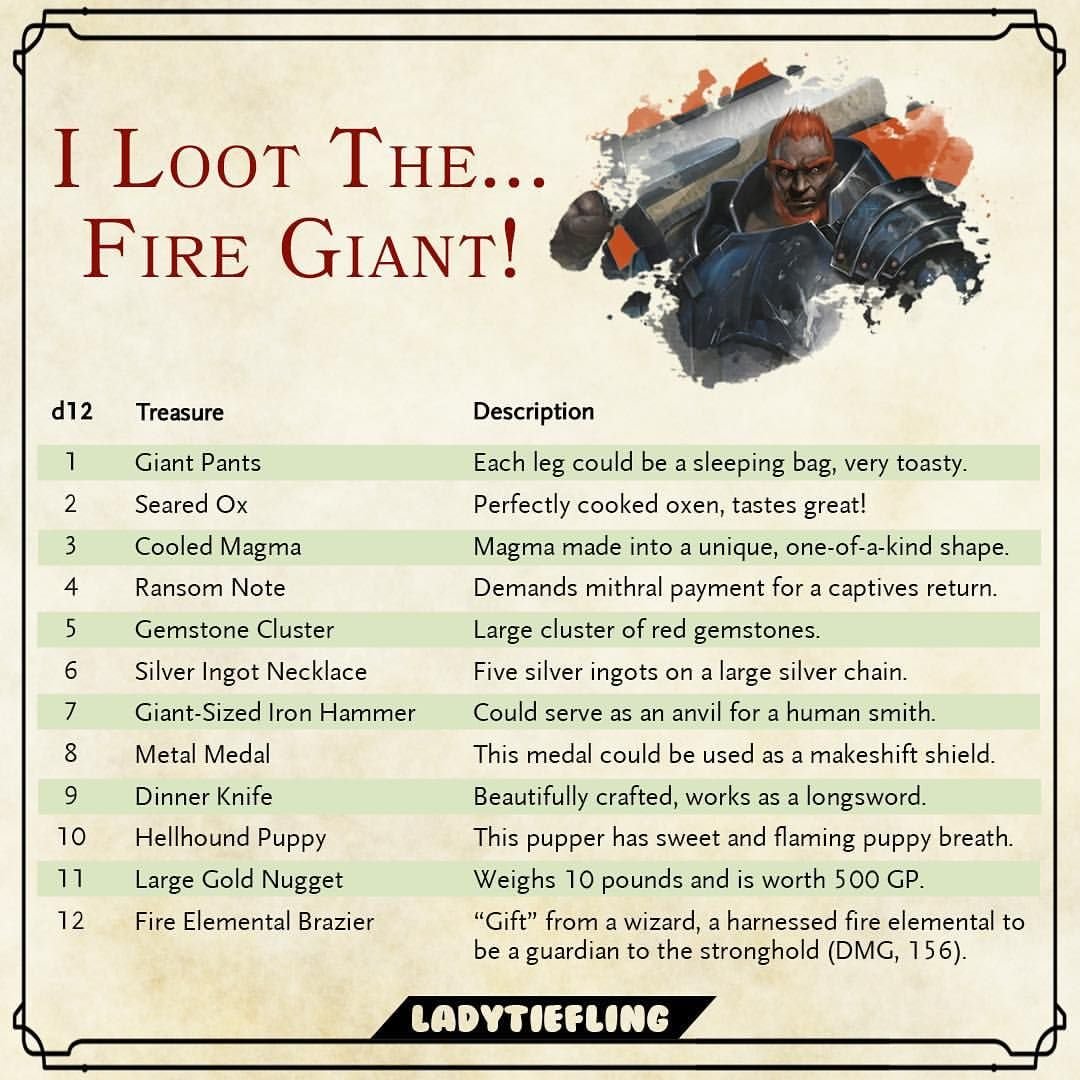
As a Dungeon Master, the thrill of seeing your players' eyes light up at a new magic item or a hefty pile of gold is immense. But let's be honest: conjuring up compelling, balanced, and fun treasure for every encounter, every chest, and every defeated foe can be an exhausting task. That’s where the Best 5e Loot Generators (Online & Offline Reviews) come into play, offering a much-needed lifeline to DMs navigating the intricate world of D&D 5th Edition's treasure tables.
Whether you're a seasoned veteran looking to streamline your prep or a new DM overwhelmed by the sheer number of options, a good loot generator isn't just a time-saver—it's a creativity enhancer. It ensures your players feel rewarded without breaking your campaign's balance, and occasionally, it sparks an entirely new plot hook you hadn't considered.
At a Glance: Key Takeaways for DMs
- Loot generators save time: Automate the tedious process of rolling on treasure tables.
- Balance is key: Good generators use official DMG rules, but always review and adjust for your specific campaign.
- Online tools offer speed and variety: Great for quick, diverse results with customizable filters.
- Offline methods provide ultimate control: Ideal for DMs who prefer physical references or detailed customization.
- Flavor text is invaluable: Transforms generic items into memorable campaign elements.
- Don't just generate, integrate: Weave loot into your story for maximum impact.
The DM's Ever-Present Challenge: Crafting Compelling Treasure
Every Dungeon Master knows the feeling. You've spent hours crafting a compelling narrative, designing challenging encounters, and populating your world with interesting NPCs. Then comes the moment of truth: what's in the dragon's hoard? What does the bandit captain carry? If you rely solely on manual dice rolls and flipping through the Dungeon Master's Guide (DMG), you quickly realize it's a significant time sink.
Beyond the sheer time commitment, there’s the subtle art of balance. Too much powerful loot too early, and your players become gods among mortals, trivializing future challenges. Too little, and they might feel unrewarded, their efforts feeling meaningless. A truly great loot generator doesn't just give you a list of items; it empowers you to manage this delicate balance, ensuring that treasure feels earned and appropriate for the party's level and the campaign's tone.
Think of it this way: treasure isn't just about gold and magic items. It's about motivation, story hooks, and a tangible sense of progression. A well-placed potion can save the day, a cursed sword can launch a side quest, and a map fragment found in a goblin's pouch can lead to the next grand adventure. Loot generators are here to help you inject that richness without the manual labor.
The Bones of the Hoard: Understanding 5e's Treasure Philosophy
D&D 5th Edition provides a robust framework for treasure generation, primarily found in the Dungeon Master's Guide. It distinguishes between two main types of treasure:
- Individual Treasure: Small caches found on single creatures, typically determined by the creature's Challenge Rating (CR). This usually includes a mix of coins and possibly a common magic item or two.
- Treasure Hoard: Larger stashes often found in monster lairs or as boss loot, also scaled by CR. These can contain significant amounts of gold, gems, art objects, and multiple magic items across various rarities.
Most effective loot generators, whether online or offline, draw directly from these official DMG tables. They aim to replicate the distributions and probabilities outlined in the book, ensuring that the treasure you generate adheres to the designers' intent for 5e's power curve. Some, like the one found at Gamemasterkit.com, explicitly state that their "Treasure values and magic item distributions are based on D&D 5e DMG tables but may include homebrew adjustments." This transparency is crucial, as it allows you to understand if you're getting pure DMG or a slightly tweaked version, giving you the power to make informed decisions for your game. Similarly, Minvarpg.com's tool clearly separates its "Individual Treasure" (for small caches on creatures, using rarity) from "Treasure Hoard" (for dragon hoards and boss loot, using CR), making it incredibly intuitive to use depending on your specific needs.
Knowing this distinction is vital. When a generator gives you options for "CR" or "Rarity," you're directly interacting with these core 5e principles.
Online Generators: The Digital DM's Best Friend
For DMs who appreciate speed, convenience, and a wide array of options at their fingertips, online 5e loot generators are an invaluable resource. They leverage databases and algorithms to crunch numbers instantly, spitting out lists of items, coins, and sometimes even flavor text, all with a few clicks.
Pros & Cons of Digital Tools
Pros:
- Instantaneous Results: Generate complex hoards in seconds.
- Accessibility: Use them on any device with an internet connection.
- Variety and Scale: Easily generate treasure for a single goblin or an entire dungeon.
- Filtering and Customization: Many allow you to specify CR, item rarity, item type, and more.
- Convenience: Copy and paste directly into your notes or VTT.
Cons: - Internet Dependency: No connection, no generator.
- Potential for Over-reliance: Can sometimes make loot feel less personal if used without DM oversight.
- Homebrew Discrepancies: Some generators include their own homebrew items, which may not fit every campaign.
Key Features to Look For in an Online Generator
When you're sifting through the myriad of online tools, keep an eye out for these crucial functionalities:
- Customization Options: Can you specify the Challenge Rating of the encounter or the desired rarity of a magic item? The best tools let you fine-tune your results.
- DMG Table Adherence: Does the generator explicitly state it uses official 5e DMG tables? Transparency, as seen in Gamemasterkit.com's disclaimer about using "official DMG tables but may include homebrew adjustments," is a good sign.
- Output Clarity: Is the generated loot easy to read, copy, and integrate into your notes? Good formatting and clear descriptions are essential.
- Ease of Use: A clean, intuitive interface makes a huge difference, especially during a busy prep session.
- Flavor Text & Descriptions: This is where a generator truly shines. Tools like Minvarpg.com boast that "Each magic item includes unique flavor text," which can be a fantastic springboard for your own narrative.
- Item Type Filters: Being able to exclude or prioritize certain item types (e.g., "no weapons," "only potions") can be incredibly useful.
Top Online 5e Loot Generators (Reviews)
While many excellent tools exist, some stand out for their adherence to 5e rules, flexibility, and user experience.
- Gamemasterkit.com Loot & Treasure Generator:
- What it does well: This generator is a fantastic starting point for any DM. It clearly states its foundation in "D&D 5e DMG tables," which immediately builds trust. It offers options for generating treasure based on Monster CR or for a random magic item based on rarity.
- Key Insight: The disclaimer is important: "may include homebrew adjustments." This means DMs should always give the output a quick once-over to ensure it fits their campaign's power level and item philosophy. It's a tool for inspiration and convenience, not an unthinking button-pusher.
- Best for: DMs who want a quick, reliable source of treasure that mostly adheres to official rules, but are comfortable making minor adjustments if homebrew elements appear. It’s perfect for generating a mixed bag of treasure for an encounter or a minor cache.
- Minvarpg.com D&D Loot Generator:
- What it does well: Minvarpg.com's tool is incredibly user-friendly and well-organized. It neatly separates the distinct types of treasure generation that 5e DMs need most: "Individual Treasure," "Treasure Hoard," and "Random Magic Item Only." This clear categorization aligns perfectly with the DMG's structure.
- Key Insight: The emphasis on "unique flavor text" for each magic item is a game-changer. This transforms a dry list of items into immediate story hooks. Instead of "Sword +1," you might get "A slightly rusted longsword, its hilt wrapped in faded crimson cloth, humming faintly when drawn near open flame." This level of detail elevates a mere item into a potential plot point.
- Best for: DMs who value clarity, specific generation types, and integrated narrative elements. Its distinct categories make it easy to generate exactly what you need, whether it's a small reward for a single creature or a grand hoard for a boss.
- Other Notable Mentions (Categorical):
- The "Swiss Army Knife" Generators: Tools like Donjon offer an incredibly vast array of generators, including comprehensive loot options. They might not always have the prettiest interface, but their depth and customizability are often unparalleled.
- Integrated VTT Tools: Many Virtual Tabletop (VTT) platforms, like Roll20 or Foundry VTT, have built-in or plugin-based loot generators that can directly populate your game with items, often with stat blocks already linked. This provides the most seamless integration for digital-first games.
- App-Based Generators: For DMs who prefer to prep on a tablet or phone, dedicated D&D apps often include robust loot generation features, perfect for offline use once downloaded.
Choosing an online generator often comes down to personal preference for interface and specific features. If you're looking for an excellent general-purpose tool, you might start with something like Our 5e loot generator, which aims for a balance of simplicity and comprehensive results.
Quick Compare: Online Loot Generators
| Feature | Gamemasterkit.com | Minvarpg.com | Donjon (Example Category) | VTT/App (Example Category) |
|---|---|---|---|---|
| DMG Adherence | High (with homebrew possible) | High | Very High | Varies by platform/plugin |
| Ease of Use | Good, straightforward | Excellent, well-categorized | Moderate (older interface) | Excellent (if integrated well) |
| Flavor Text | Basic | Excellent (unique per item) | Basic | Varies |
| Customization | CR, Rarity | CR, Rarity (Individual/Hoard) | Extensive (many parameters) | Often good, platform-dependent |
| Output | Clear list | Clear list | Detailed, sometimes dense | Direct VTT import |
| Best For | General quick generation | Specific hoard/individual needs | Deep dives, specific niche requests | Digital campaigns, seamless use |
Offline & Manual Generators: The Tactile, Tangible Approach
While digital tools offer unparalleled speed, some DMs prefer a more hands-on, low-tech approach. Offline methods provide ultimate control, are impervious to internet outages, and can feel more integrated into a physical game prep process.
Pros & Cons of Offline Methods
Pros:
- No Internet Required: Perfect for remote sessions or DMs who prefer to work unplugged.
- Ultimate Control: Every item is personally selected or reviewed.
- Deep Customization: Easier to integrate specific campaign lore or unique homebrew items.
- Tactile Experience: Some DMs enjoy the process of rolling dice on physical tables.
Cons: - Time-Consuming: Manual rolling and table lookups can be slow.
- Error Prone: More chances for misrolls or misinterpretations of tables.
- Limited Variety (initially): You're confined to the books you own or tables you've created.
Physical Books & Tables: The Original Method
The Dungeon Master's Guide itself is the foundational offline loot generator. Chapters like "Treasure" provide detailed tables for rolling on individual treasure and treasure hoards, broken down by CR. Books like Xanathar's Guide to Everything also offer additional tables for magic item prices and common magic items.
- How to Use: Grab your DMG, a set of dice, and start rolling! You'll roll on the appropriate table for the treasure type and CR, then often on sub-tables for specific magic items, gems, or art objects.
- Best For: DMs who want to adhere strictly to the official rules, enjoy the physical act of dice rolling, or need to verify the mechanics behind online generators. It's also fantastic for creating truly bespoke loot from the ground up, item by item.
Dice Rolling & Spreadsheets: A Hybrid Approach
Many DMs create their own hybrid systems. This might involve:
- Custom Spreadsheets: You can replicate the DMG tables in a spreadsheet program (like Excel or Google Sheets) and use simple formulas to simulate dice rolls, instantly generating results. This gives you the speed of a digital tool with the customizability of your own data.
- Physical "Roll-Down" Sheets: Print out condensed versions of the treasure tables or even decision trees that guide you through the process, minimizing book-flipping.
- Deck of Many Things (or Treasure): Some DMs create custom decks of cards, each representing a magic item, potion, or amount of gold. A simple draw can provide instant, random loot with a tangible flair.
- Best For: DMs who want to blend the control of manual generation with a touch of automation. These methods are highly adaptable to specific campaign settings or homebrew item lists.
When to Opt for Offline Generation
Offline methods truly shine when:
- You're crafting truly unique, narrative-driven loot: When a specific artifact needs to be found, you're not going to leave it to a random generator.
- You're playing in a low-magic or high-magic campaign: You can easily tweak probabilities or remove entire categories of items without needing to override a generator's default settings.
- You enjoy the process of creation: For some, part of the DM fun is the meticulous selection and description of treasure.
Beyond the Basics: Maximizing Your Loot Generator's Potential
A loot generator is a tool, not a substitute for thoughtful DMing. To truly make the most of it, you need to integrate its output into your narrative and balance it effectively for your party.
Integrating Loot into Your Narrative
Don't just hand over a list of items. Ask yourself:
- Whose loot is this? Did the ogre take it from someone, or was it given to him?
- Where was it found? Is it nestled carefully, or scattered haphazardly? Does the environment affect its condition?
- What's its story? Even a generic
+1 Longswordcan have a past. Perhaps it was wielded by a forgotten hero, or it bears a strange inscription. This is where the "unique flavor text" from generators like Minvarpg.com becomes invaluable—it gives you a starting point. - Does it provide a hook? Maybe a scroll mentions a long-lost library, or a gem is clearly part of a larger set. Good loot always has the potential for further adventure.
Balancing Loot for Your Party
Even with DMG-compliant generators, you, the DM, are the final arbiter of balance.
- Consider Party Level and Composition: A
+2 Greatswordmight be perfectly fine for a Level 10 Fighter, but game-breaking for a Level 3 party. Always review generated items against your party's current capabilities. - Attunement: Remember that many powerful magic items require attunement. This is a crucial balancing mechanic in 5e, limiting how many potent items a character can actively use. Don't let your players hoard dozens of powerful items if they can only attune to three.
- Rarity vs. Impact: A rare item isn't always campaign-defining, and a common item can sometimes be incredibly useful. Judge items by their actual impact on your game, not just their rarity tag.
- Spread the Wealth: Try to distribute magic items that benefit different party members. The Fighter might love a new sword, but the Wizard would appreciate a spell scroll or a Staff of the Adder.
Dealing with "Too Much" or "Too Little" Loot
Sometimes a generator gives you something completely unexpected.
- Too Much/Too Powerful: Don't be afraid to adjust or replace. Swap a
+3 Swordfor a+1or an interesting utility item. Split a large hoard into multiple smaller caches. A powerful item can also come with a curse or a dangerous guardian, creating a choice for the players. - Too Little/Too Weak: Augment the results. Add a few extra coins, a rare potion, or a clue to a nearby, more significant treasure. A generator provides a baseline; your creativity fills the gaps.
Homebrew & Customization: Making Generators Work for Your Game
Most campaigns eventually introduce homebrew elements. Your loot generator should support this:
- Pre-seed with your items: If you have custom magic items, consider manually adding them to a generated list or creating your own custom tables for offline use.
- Modify generated items: A "Shortsword of Warning" from a generator could become the "Whispering Blade of the Sentinel," tied to your world's ancient elven guardians.
- Adjust probabilities: If your world is low-magic, you might reduce the chance of rolling magic items. If it's high-magic, you might increase it. Some online tools, including many comprehensive ones, allow for these kinds of adjustments.
Common Pitfalls DMs Face with Loot Generation
Even with the best tools, it's easy to fall into certain traps. Being aware of these can help you use generators more effectively.
- Over-relying on Automation Without Review: The biggest pitfall. A generator is a suggestion engine, not a final decision-maker. Always review the loot to ensure it makes sense contextually and doesn't break your game's balance. A
Scroll of Wishfound on a CR 1 goblin? Probably not. - Ignoring Context: Loot should always fit the source. A bandit leader might have some ill-gotten gains, but a forgotten library's secret compartment will likely hold scrolls and ancient tomes. A generator can give you the items, but you provide the narrative justification.
- Flooding the Party with Magic Items: D&D 5e is designed with a relatively low-magic economy in mind. Giving out too many powerful magic items too frequently can rapidly accelerate your party's power curve, making encounters trivial and negating the special feeling of finding truly rare gear.
- Forgetting Attunement Limits: As mentioned, attunement limits are a key balancing factor. Ensure your players aren't accumulating dozens of items they could attune to, even if they're only using three at a time. The sheer volume can still make choices less meaningful.
- Lack of Variety: If you always use the exact same settings on a generator, your players might start seeing the same items reappear. Mix up the CR, rarity, and even the type of generator you use to keep things fresh.
- "Magic Item Mart" Syndrome: Loot should be earned through adventure, not purchased or found too easily. While towns might have common magic items, powerful artifacts should be part of quests, not random rolls.
FAQs & Quick Tips for the Savvy DM
Here are some rapid-fire answers to common questions about D&D 5e loot:
Q: How often should I give out magic items?
A: The DMG (Chapter 7) suggests a guideline tied to Treasure Hoards per tier of play, but generally, less is more. For Tiers 1-2 (Levels 1-10), one significant magic item per player every few sessions or minor items more frequently. For Tiers 3-4 (Levels 11-20), more potent items become appropriate. Trust your gut and the campaign's power level.
Q: What's the difference between individual treasure and a hoard, really?
A: "Individual treasure" is what a single creature might carry or have stashed in its personal space—think a few coins, perhaps a minor potion, or a small trinket. A "treasure hoard" is a significant collection of wealth, usually found in a secure location, like a dragon's lair, a king's vault, or a major dungeon boss's chamber. It's meant for the whole party.
Q: Can I use a generator for spell scrolls?
A: Absolutely! Most good loot generators will include spell scrolls in their magic item results, especially when generating a hoard or rolling for random magic items. You can often specify rarity to ensure the scroll level is appropriate.
Q: My players are hoarding too much gold. How do I make them spend it?
A: Introduce money sinks! Expensive property, guild dues, research costs, crafting materials, custom magic item commissions, bribes, information gathering, or even simply lavish lifestyles can all deplete a party's coffers. You can also make rare, consumable items (like rare potions or single-use spell scrolls) available for purchase.
Q: Should I tell my players if an item needs attunement?
A: Yes, generally. While a character might need to spend a short rest to identify an item's full properties, knowing that an item requires attunement is usually apparent upon inspection. This helps them manage their attunement slots effectively.
Your Next Step: Choosing the Right Tool for Your Table
Finding the "best" 5e loot generator isn't about one universal answer; it's about finding the tool that best supports your unique DMing style and campaign needs.
- For speed and convenience: Lean into online generators like Gamemasterkit.com or Minvarpg.com, especially for their clear adherence to DMG tables and intuitive interfaces. They're perfect for quick prep or generating on the fly.
- For deep control and integration: Don't shy away from your DMG, custom spreadsheets, or even pen-and-paper rolls. These methods allow you to bake your campaign's unique flavor directly into every piece of treasure.
- For digital-first games: Explore what your VTT offers or look into dedicated mobile apps that can sync with your digital tools.
No matter your choice, remember that a loot generator is a starting point. The true magic happens when you, the Dungeon Master, take those generated items and weave them into a tapestry of adventure, story, and memorable experiences for your players. So grab your dice, open your browser, or crack open your DMG, and get ready to stock those dungeons with treasures worthy of heroes!